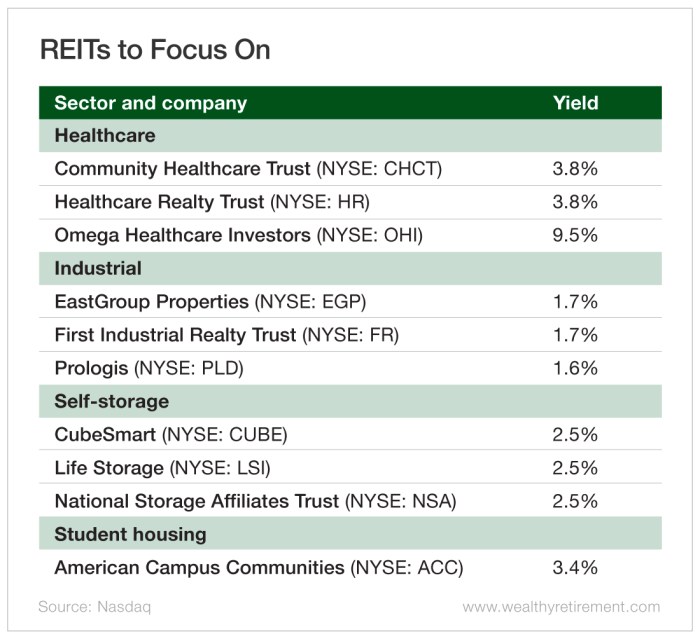
REITs under current liquidity boost are capturing significant attention as investors navigate the evolving financial landscape. With an influx of capital and shifting economic dynamics, the performance of Real Estate Investment Trusts (REITs) is being influenced by both macroeconomic trends and individual investor strategies. This discussion delves into how the current liquidity environment is reshaping the real estate investment space, highlighting opportunities and challenges that are emerging.
As we explore the relationship between liquidity and REITs, we will uncover effective investment strategies, examine the impact of remote work on commercial properties, and consider how smart home technologies are changing the game. The luxury real estate market is also experiencing notable shifts, driven by increased demand and evolving buyer preferences. Join us as we navigate these intriguing developments and their implications for both seasoned investors and newcomers alike.
Overview of REITs in the Current Market
The real estate investment trust (REIT) sector is witnessing a significant liquidity boost, which is shaping its landscape in remarkable ways. As investors seek refuge in tangible assets amidst uncertain economic conditions, REITs are emerging as a lucrative option. This surge in liquidity, influenced by various economic trends, is creating a favorable environment for REIT performance, making them an appealing choice for both seasoned investors and newcomers alike.The current economic landscape is characterized by low interest rates, capital inflows, and a rebounding housing market, all of which elevate the attractiveness of REITs.
Recent trends indicate that investors are particularly interested in REITs that focus on diverse property types, such as residential, commercial, and industrial. This diversification not only mitigates risks but also offers exposure to various sectors that are capitalizing on the current liquidity boost.
Real Estate Investment Strategies
Developing effective investment strategies for REITs during periods of liquidity is essential for maximizing returns. Here are some strategies that can prove beneficial:
- Maximize diversification by including various types of REITs in your portfolio, such as equity, mortgage, and hybrid REITs.
- Focus on REITs with strong fundamentals, including solid management teams and substantial property portfolios that generate consistent cash flow.
- Consider investing in REITs with a historical track record of weathering economic downturns, as they tend to perform better during market fluctuations.
Incorporating REITs into an investment portfolio not only provides a hedge against inflation but also enhances overall diversification, helping to spread risk across different asset classes.
Real Estate Market Trends
Recent liquidity boosts have led to the emergence of several key trends in the real estate market. These trends highlight the evolving preferences of consumers and businesses alike, notably:
- The rise of remote work is reshaping demand for commercial real estate, with a growing emphasis on flexible office spaces and co-working environments.
- There is a noticeable shift in consumer interest towards luxury real estate, driven by increased disposable income and changing lifestyle preferences.
- Investments in sustainable and green properties are becoming more prevalent, reflecting a societal push towards environmental responsibility.
These trends underscore the dynamic nature of the real estate market and the opportunities that lie within for savvy investors.
The Role of Smart Homes in Real Estate
Smart home technology is significantly impacting property values as more buyers prioritize connectivity and automation. The increasing demand for smart homes has led to a shift in property development trends, and this is directly influencing REITs.REITs are recognizing the potential of smart home technology to attract tenants and enhance rental income. A growing number of REITs are investing in developments that incorporate smart features, such as energy-efficient systems, integrated security, and home automation solutions.
Commercial Real Estate Dynamics
The current state of commercial real estate is heavily influenced by the liquidity boost. Certain sectors are thriving, including logistics and warehousing, which benefit from increased online shopping and e-commerce activities. Additionally, the healthcare real estate sector is experiencing growth due to an aging population and a rising demand for medical facilities.However, commercial real estate also faces challenges, such as the oversupply of office spaces and shifting tenant preferences.
Adapting to these changes is critical for commercial REITs to maintain their competitive edge.
Luxury Homes and Real Estate Investment
The luxury home market is flourishing amid increased liquidity. Factors driving this trend include:
- Low mortgage rates that make high-end properties more accessible.
- A surge in demand from affluent buyers seeking second homes or investment properties.
- Emerging locations that are becoming hotspots for luxury real estate investment, such as suburban areas with desirable amenities.
Investing in luxury real estate presents unique opportunities compared to traditional markets, often yielding higher returns and attracting a different demographic of buyers.
Future Outlook for REITs and Real Estate
Looking ahead, the outlook for REITs remains positive, particularly as liquidity conditions evolve. Predicted trends indicate that technology will continue to shape the real estate market, with innovations such as virtual reality property tours and blockchain transactions becoming more commonplace.Potential risks include economic fluctuations and regulatory changes, which could impact performance. However, the opportunities presented by an increasing focus on sustainable and smart developments are expected to drive growth in the REIT sector in the coming years.
Final Review
In summary, REITs under current liquidity boost present a promising avenue for investment as market conditions evolve. By understanding the trends in real estate, from smart homes to luxury properties and the changing dynamics of commercial spaces, investors can position themselves to capitalize on emerging opportunities. As we look ahead, staying informed about technological advancements and economic shifts will be crucial for making strategic decisions in the ever-changing landscape of real estate investment.
FAQ Corner
What are REITs?
REITs, or Real Estate Investment Trusts, are companies that own, operate, or finance income-generating real estate across various property sectors.
How does liquidity boost affect REIT performance?
An increase in liquidity often leads to more capital available for investment in REITs, which can drive up property values and improve returns for investors.
What are the benefits of investing in REITs?
Investing in REITs provides diversification, regular income through dividends, and exposure to real estate markets without the need for direct property ownership.
Are all REITs the same?
No, there are different types of REITs, including equity REITs, mortgage REITs, and hybrid REITs, each with its own investment focus and risk profile.
How can investors identify the best REITs during a liquidity boost?
Investors can analyze market trends, evaluate management teams, and assess property portfolios and sector performance to identify promising REITs during liquidity boosts.