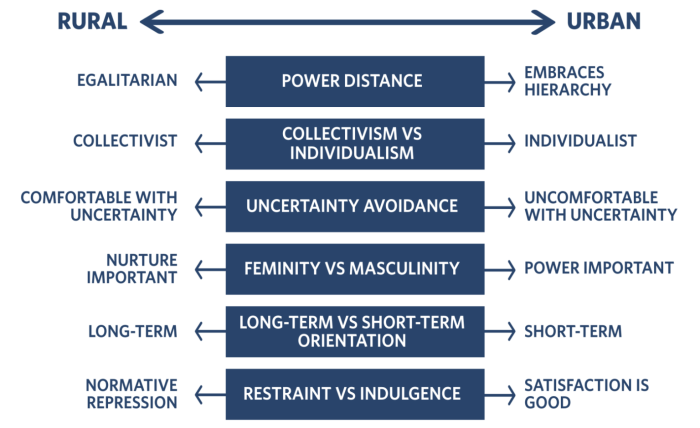
Rural-to-urban migration represents a significant shift in demographics as people leave their rural hometowns for urban centers in search of better opportunities. This migration is driven by various factors, including economic prospects, educational opportunities, and improved living standards. Understanding these motivations helps us grasp the broader implications for both urban and rural landscapes.
The influx of individuals into cities not only transforms the urban environment but also impacts the infrastructure, real estate market, and local economies. As urban areas expand, the effects of this migration can be seen in housing demand, job market shifts, and even lifestyle changes among new residents, reflecting a dynamic interplay between rural and urban life.
Understanding Rural-to-Urban Migration
Rural-to-urban migration is a significant trend observed globally, where individuals move from rural areas to urban centers in search of better opportunities. This phenomenon occurs for various reasons, including economic prospects, educational opportunities, and access to healthcare. Understanding these motivations provides insight into the broader implications of this migration trend.One major driver of this migration is the pursuit of employment.
Urban areas typically offer a wider array of job opportunities compared to rural settings, attracting individuals seeking stable income and career advancement. Additionally, urban centers often provide better access to educational institutions and healthcare services, further drawing people from rural regions. The migration also significantly impacts urban infrastructure and services, leading to challenges in housing, transportation, and public services. Recent statistics indicate that globally, over 55% of the population now resides in urban areas, a figure projected to rise to 68% by 2050, highlighting the urgency of addressing these migration impacts.
Economic Implications of Migration
Rural-to-urban migration has profound effects on local economies, influencing both urban and rural areas. As individuals migrate, they contribute to the urban labor market, which can lead to economic growth but also increased competition for jobs.The influx of migrants typically results in shifts within labor markets. Urban areas see a diversification of the workforce, with new skills and talents being integrated into the economy.
However, this can also lead to wage suppression in certain sectors as supply increases. A comparison between urban and rural economic opportunities reveals that urban areas generally offer higher salaries, more diverse job options, and better career development possibilities, making them attractive for migrants.
Real Estate Investment Opportunities
The migration trend has created ripe opportunities for real estate investment in urban centers. Areas experiencing significant population influx are often characterized by rising demand for housing, making them prime candidates for real estate development.Urban properties, particularly those close to transportation hubs and major amenities, provide substantial potential returns on investment. For instance, neighborhoods undergoing revitalization often see a quick appreciation in property values due to increased demand.
Successful real estate projects, such as mixed-use developments in cities like Austin and Seattle, highlight the lucrative opportunities available due to rural-to-urban migration.
Real Estate Market Trends
Current trends in urban real estate markets are heavily influenced by rural migration patterns. The demand for various types of properties is shifting, with increased interest in multifamily units and affordable housing options.The changing demographics of urban residents impact pricing trends and market forecasts. As more individuals and families move to cities, the competition for housing intensifies, leading to rising prices.
Reports indicate that in many urban areas, property prices have surged by as much as 15% in just a couple of years, reflecting the growing demand.
Smart Home Innovations
Smart home technology is gaining traction among urban residents, particularly those migrating from rural areas. These innovations offer enhanced convenience, security, and energy efficiency, making them appealing to new urban dwellers.The benefits of smart homes are particularly pronounced for migrants, as these features can significantly improve quality of life in urban environments. For example, smart security systems, energy-efficient appliances, and home automation technologies attract buyers looking for modern living solutions.
Commercial Real Estate Dynamics
Rural-to-urban migration also impacts the demand for commercial real estate. As more people move to urban areas, there is an increased need for businesses to cater to this growing population.Types of commercial properties gaining traction include retail spaces, co-working environments, and service-oriented establishments. These changes in demand often lead to new investment opportunities in urban commercial real estate, as businesses seek to capitalize on the expanding market created by urban migration.
Luxury Homes and Real Estate
The demand for luxury homes in urban settings is driven by various factors, including demographic shifts and increased affluence among migrants. Many new urban residents are seeking high-end properties that offer superior amenities and lifestyles.Buyers in this segment often include professionals and entrepreneurs who value proximity to urban centers while also desiring luxury living. Trends indicate that urban luxury real estate markets are flourishing, with properties in prime locations experiencing significant appreciation.
Challenges of Urban Living
New urban residents face several challenges, such as housing affordability and job competition. The rapid influx of people can strain housing markets, leading to increased prices and limited availability.Strategies to overcome these challenges include community engagement and government support initiatives aimed at providing affordable housing and job training programs. Local organizations play a crucial role in facilitating the integration of migrants, ensuring access to resources and support systems to foster sustainable urban living.
Future of Urban Development
Urban planning is evolving in response to the realities of rural-to-urban migration. Authorities are increasingly focused on integrating sustainable practices in urban development to accommodate growing populations while minimizing environmental impact.Key players in this evolution include city planners, real estate developers, and local governments, all working together to create urban environments that are livable, efficient, and resilient. The future of urban development hinges on innovative strategies that balance population growth with sustainability and quality of life.
Concluding Remarks
In conclusion, rural-to-urban migration is a complex phenomenon that shapes our cities and influences various aspects of life. As urban areas continue to grow, addressing the challenges and opportunities presented by this migration will be crucial for sustainable development. By understanding the trends and impacts, we can better prepare for a future that harmonizes both rural and urban experiences.
Helpful Answers
What are the main reasons for rural-to-urban migration?
Individuals often migrate for better job opportunities, access to education, improved healthcare, and overall quality of life.
How does rural-to-urban migration affect local economies?
It can lead to economic growth in urban areas but may also create challenges such as unemployment and housing shortages in cities.
What challenges do migrants face when moving to urban areas?
Migrants often encounter difficulties such as housing affordability, job competition, and adapting to a faster-paced urban lifestyle.
How can urban areas accommodate the influx of new residents?
By investing in infrastructure, housing development, and public services, cities can better support their growing populations.
What role does government play in managing rural-to-urban migration?
Governments can implement policies to support migrants, improve urban planning, and ensure sustainable growth in cities.


